Serpentine
2026
Inkjet prints
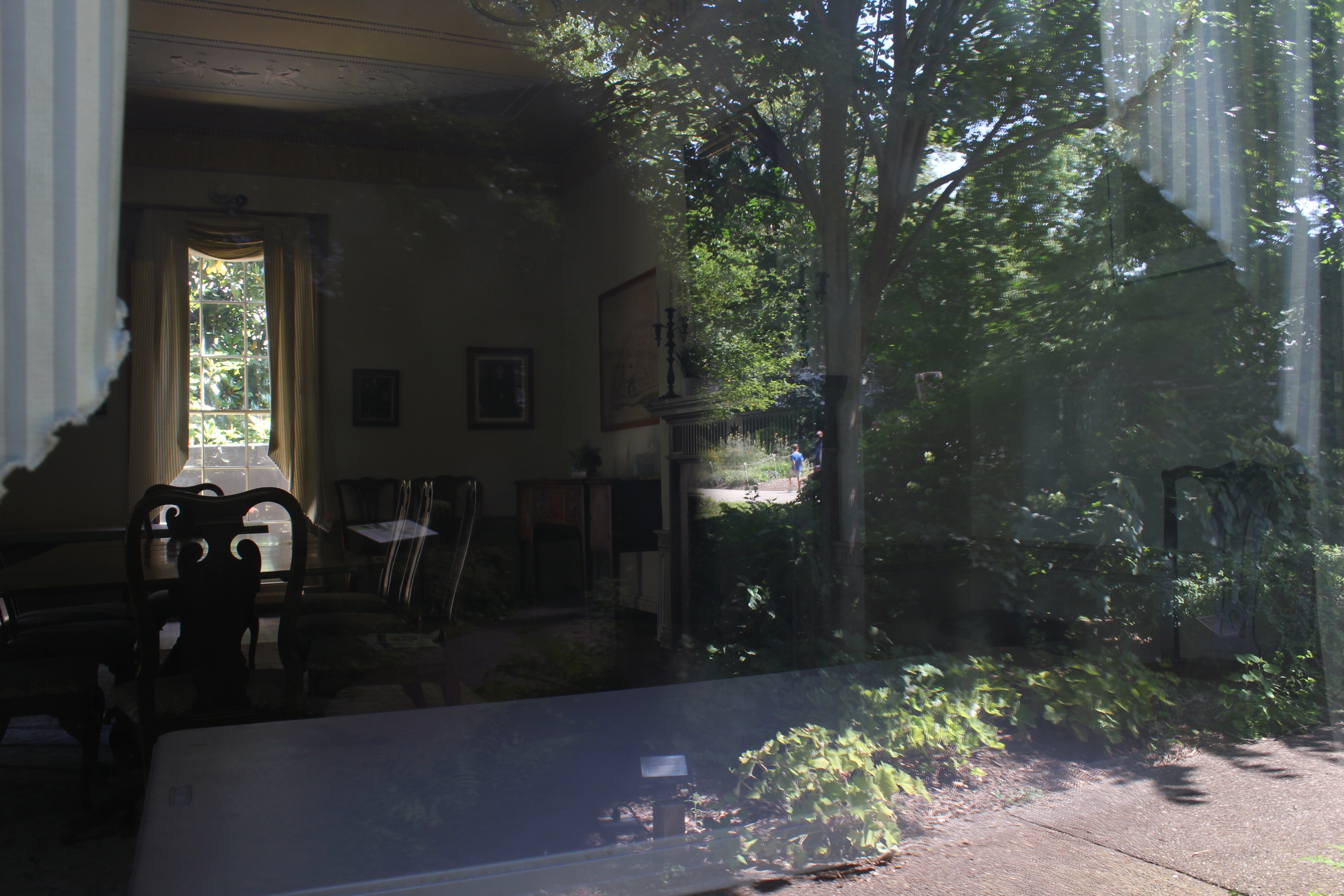
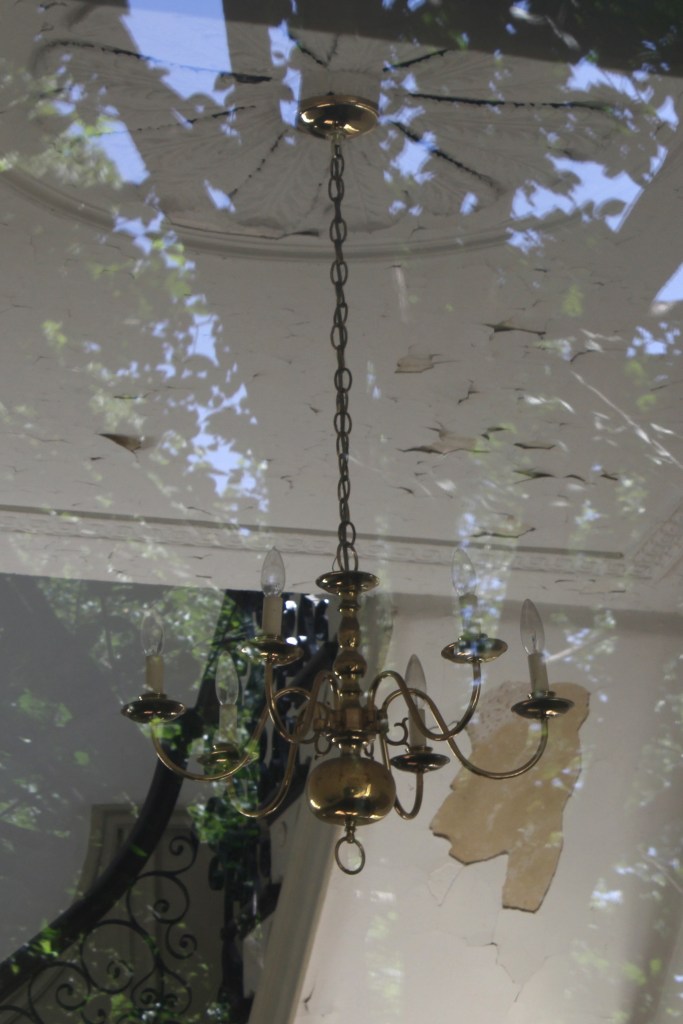
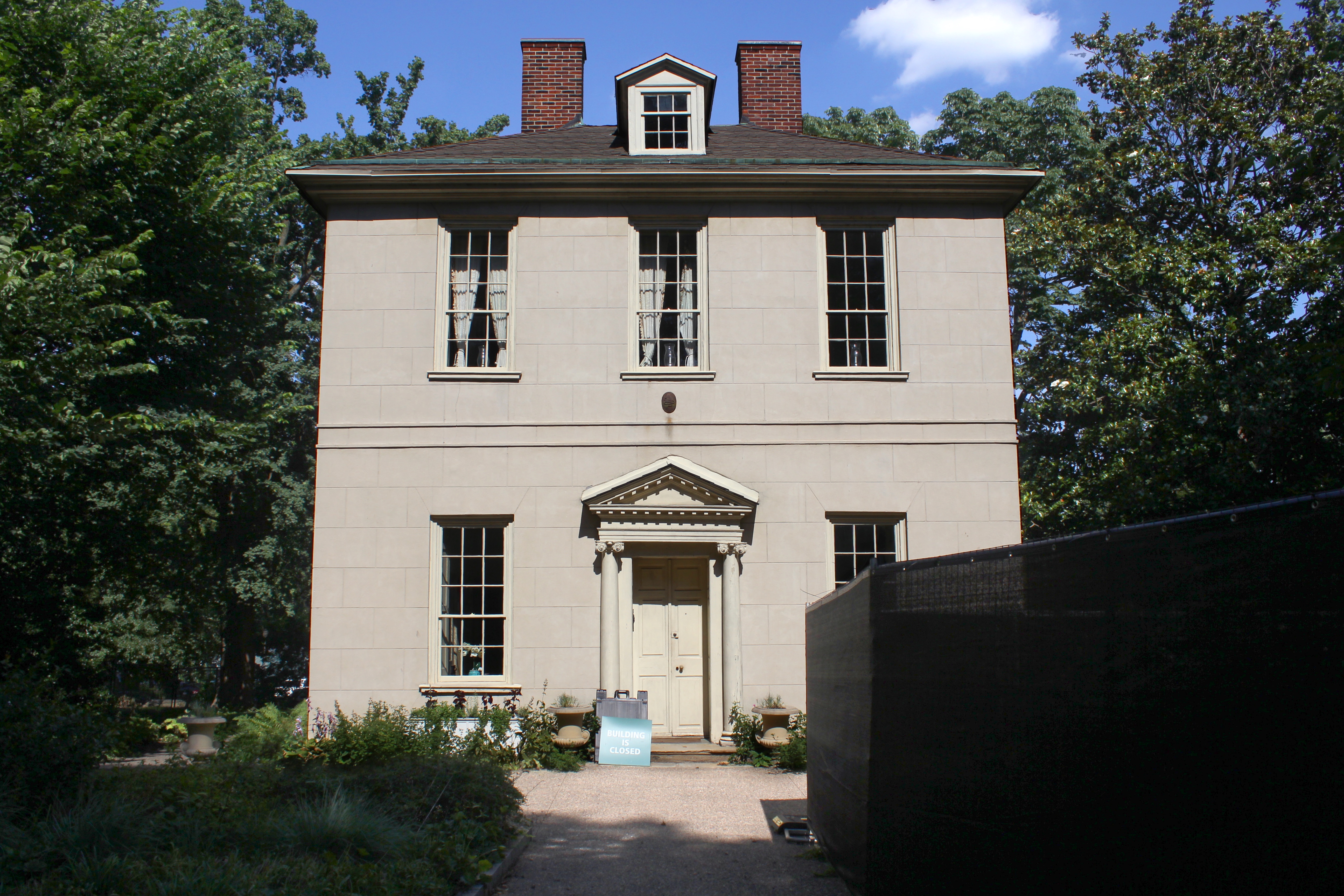
The Solitude Mansion was built in Philadelphia, Pennsylvania in 1785 by John Penn, grandson of Pennsylvania founder William Penn. It served as his American residence during his legal attempts to be compensated for land divested from his grandfather by the commonwealth.
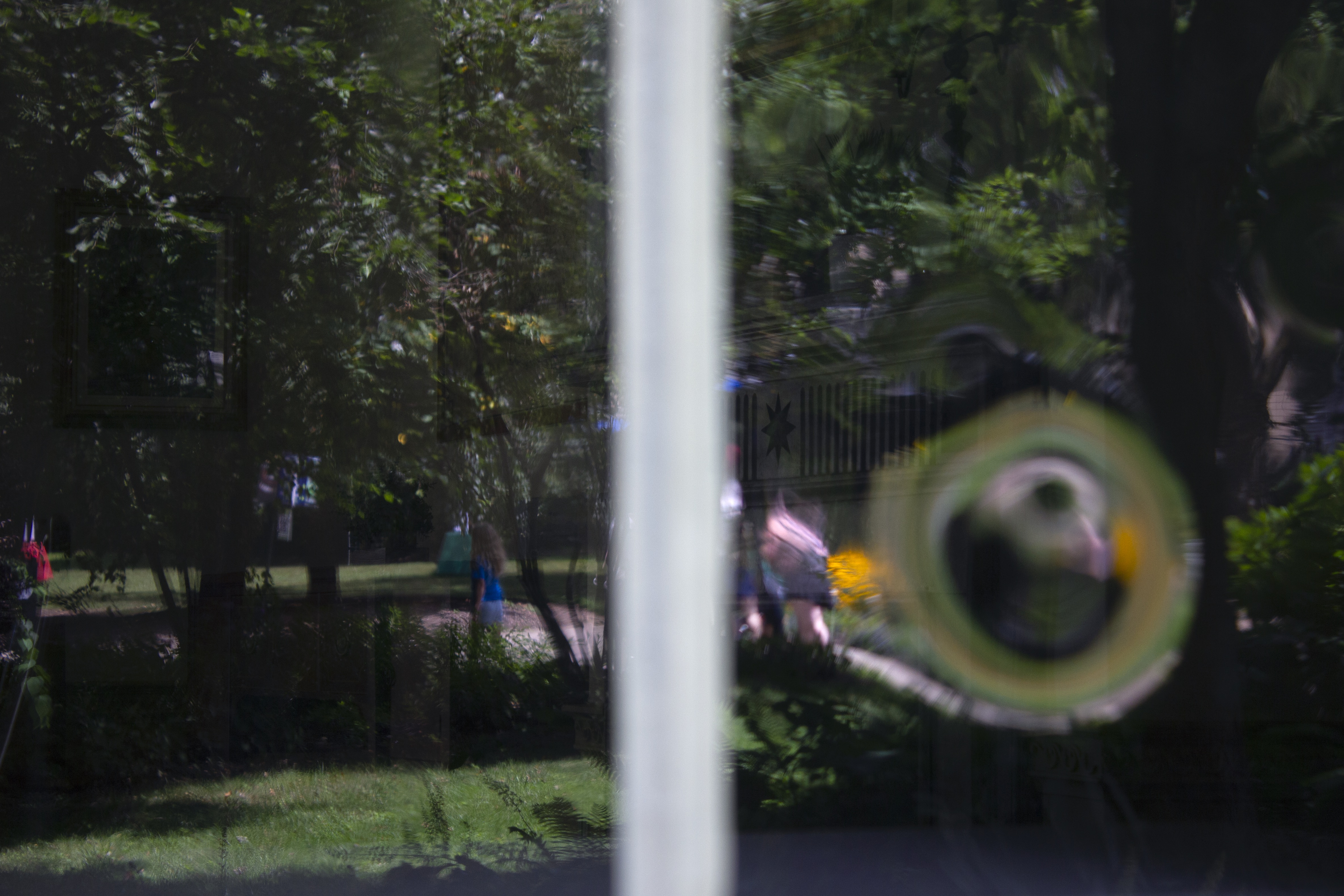
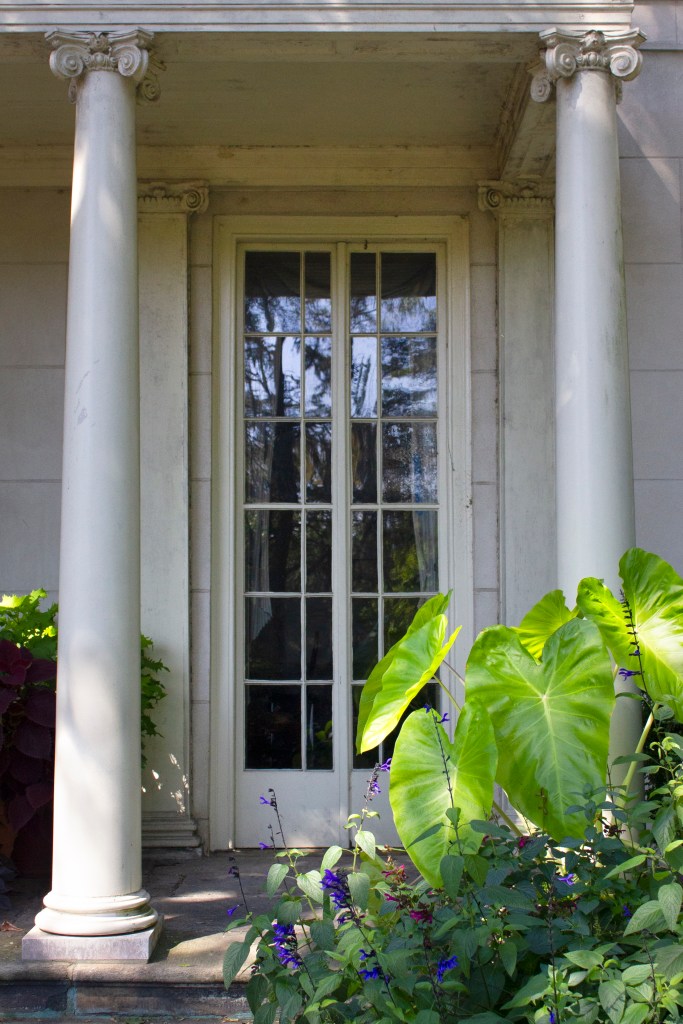
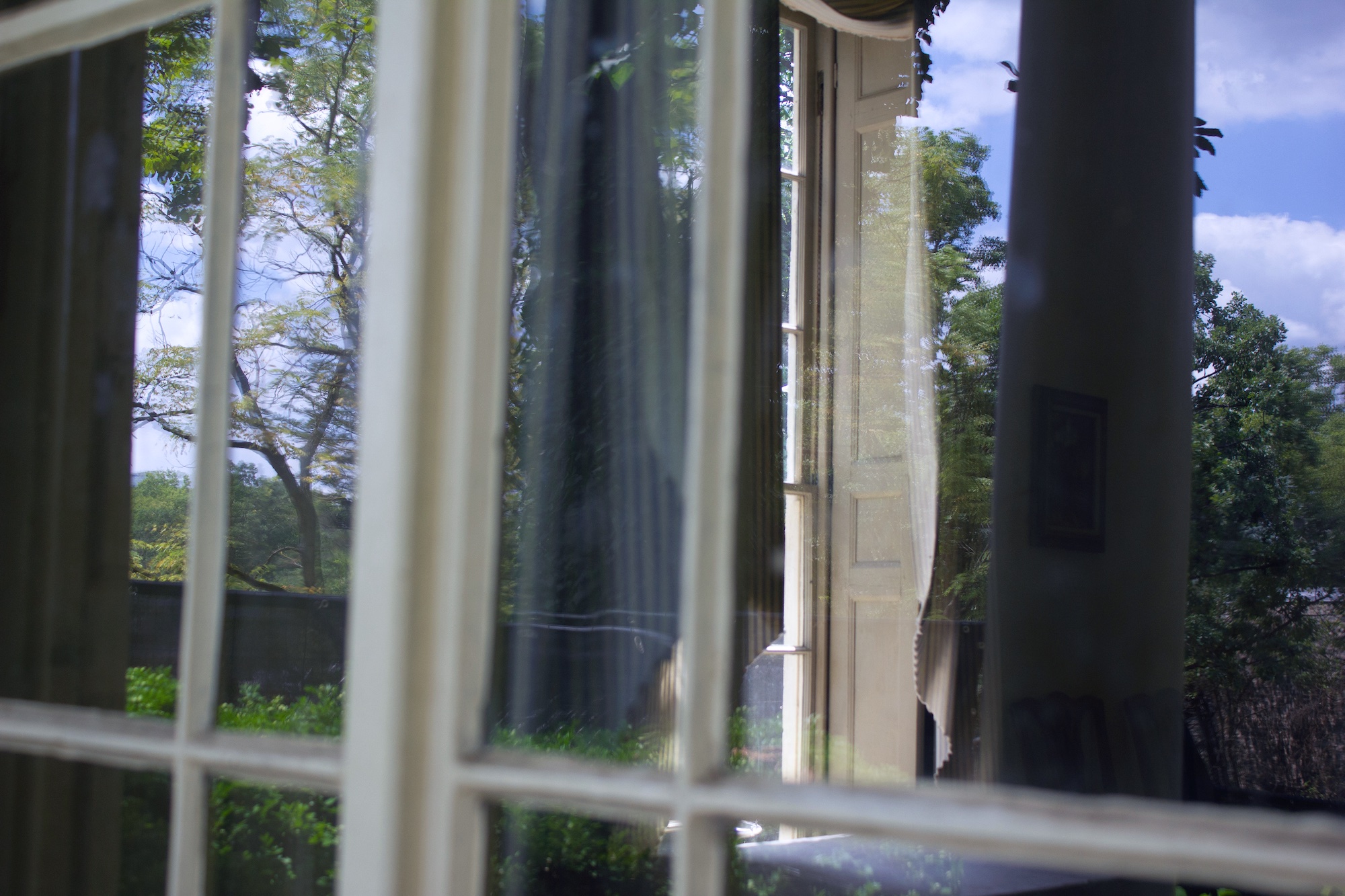
Penn’s design of the grounds was among the first adaptations of the picturesque style in the United States, an English landscaping movement that drew from the painting movement of the same name. Picturesque gardens constructed visual compositions from specific perspectives with a foreground, middleground, and background. The style emerged as scenic touring became a leisure activity of the English upper class and aesthetic value was newly ascribed to the environment. Departing from symmetrical layouts, it cultivated a natural, “wild” effect with winding paths and irregularly-placed foliage. At the Solitude Mansion, the landscape was planned for double glass doors installed as a primary vantage point.
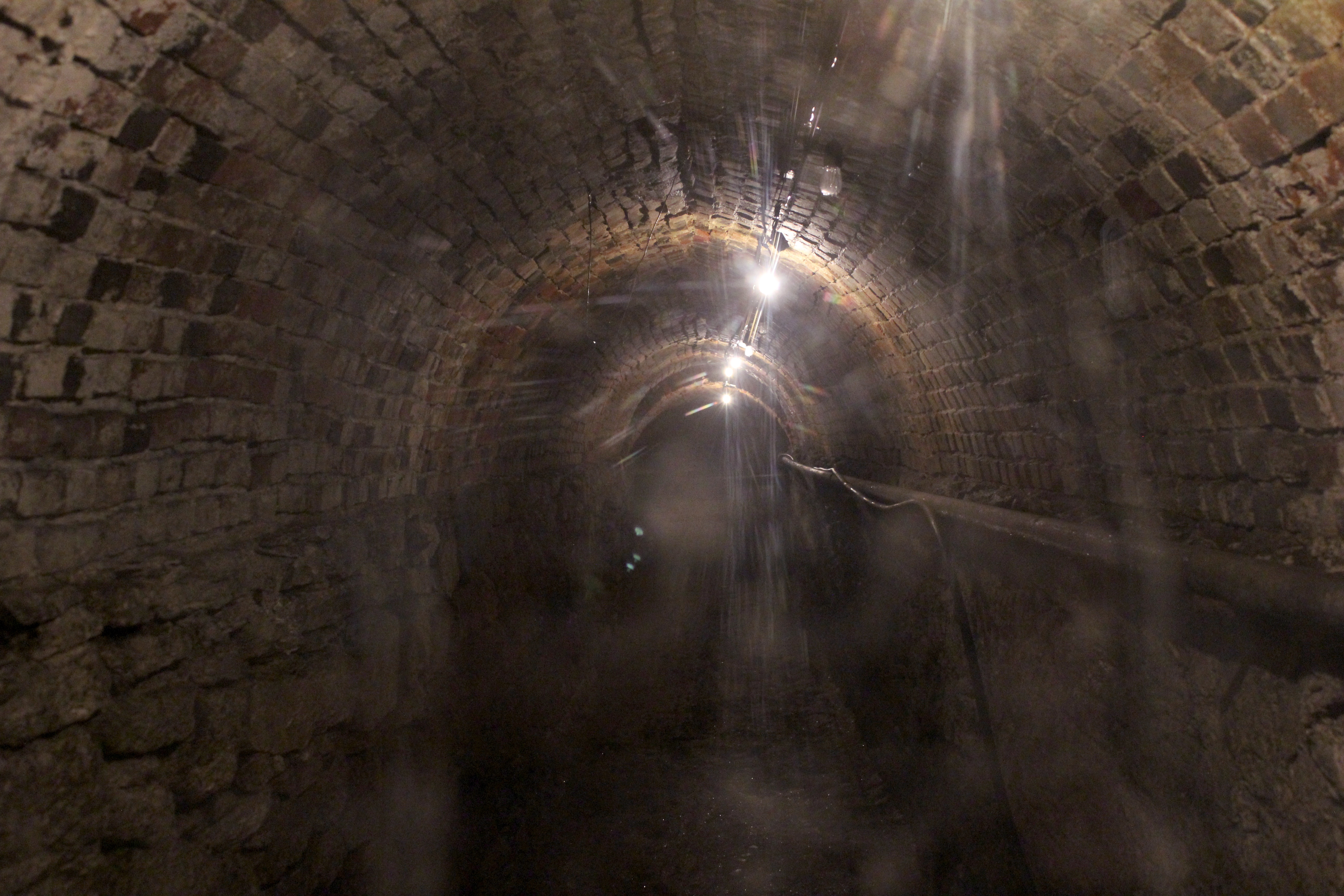
Along with being the viewer for which this wilderness was composed, Penn was its protagonist. To simulate a self-sufficient existence, an underground tunnel leading to separate kitchen quarters, indirect passageways, and soundless padded doors allowed servants to navigate the house unperceived. Food simply appeared and the rooms cleaned themselves, while Penn was busy negotiating claims to land as property, on land made to reflect an imagined pre-colonized pristinity. He kept a menagerie of animals in the gardens, privately-owned symbols of wealth that were a precursor to zoos, foreshadowing the property’s fate.
Scientific zoos of the kind common today originated in Penn’s home city of London, when the Royal Menagerie was transferred to the newly established London Zoological Society in 1847. The United States followed suit with the formation of the Philadelphia Zoological Society, which leased the Solitude Mansion in 1874 after it was acquired by the city. Its grounds became the site of the Philadelphia Zoo, America’s First Zoo.
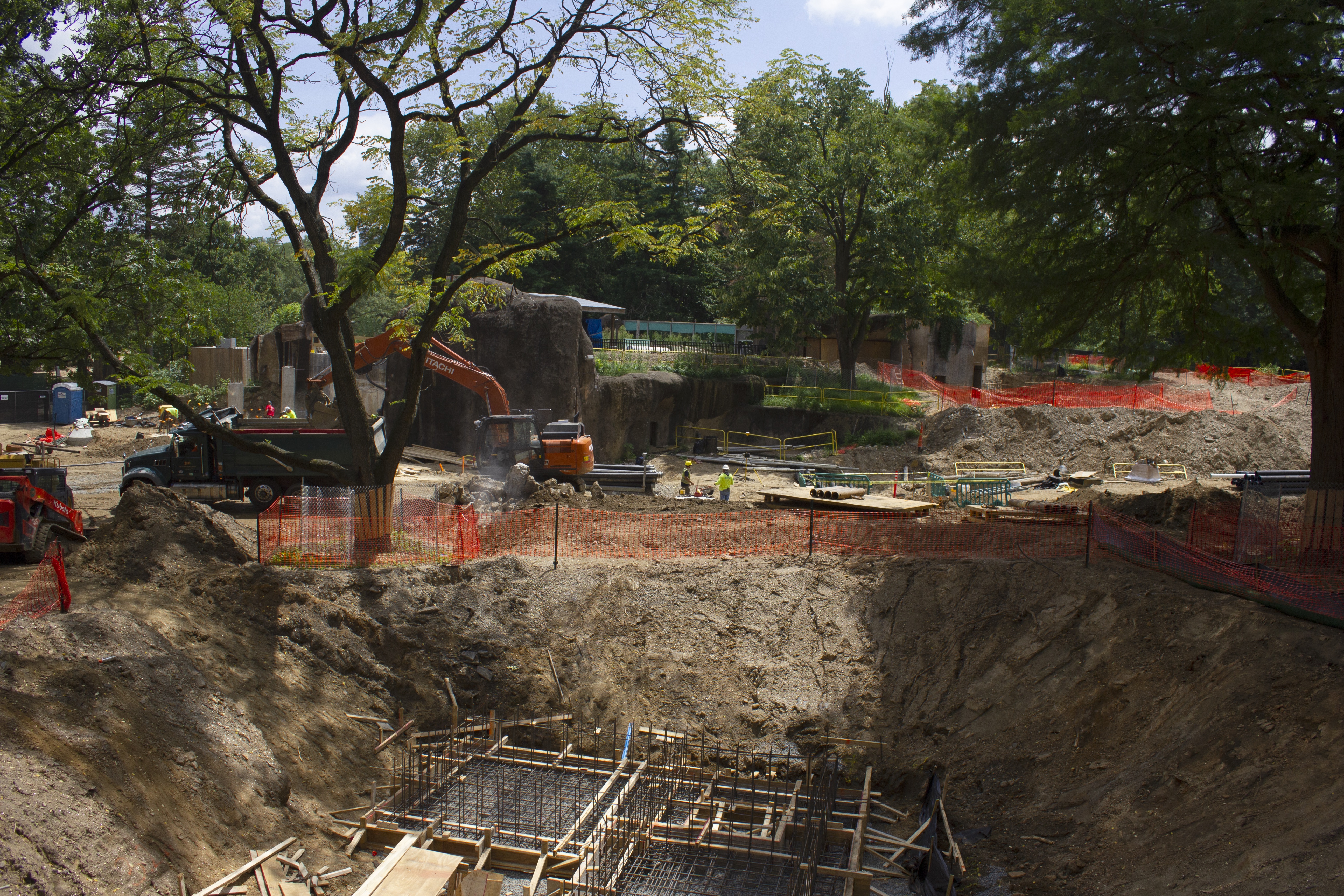
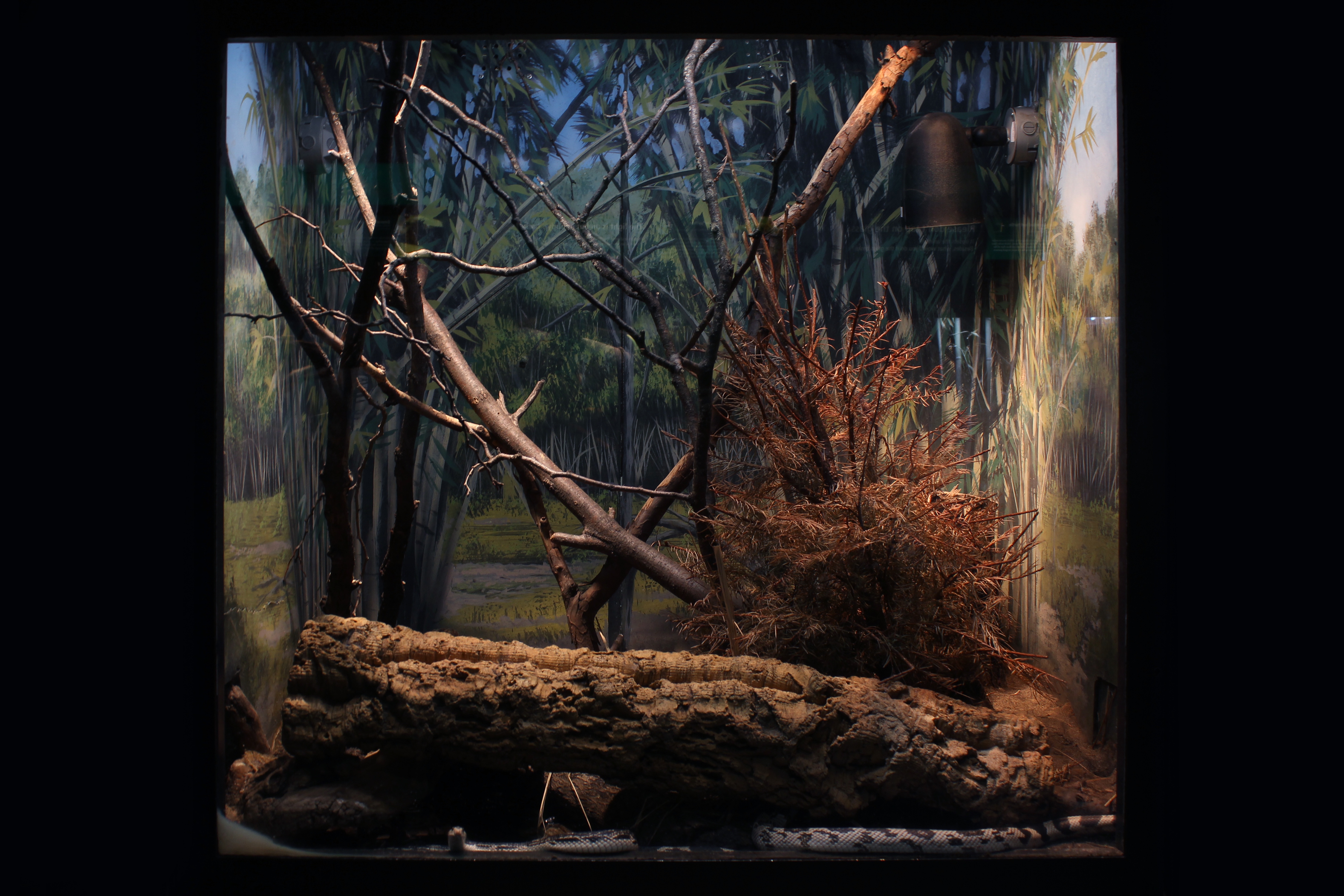
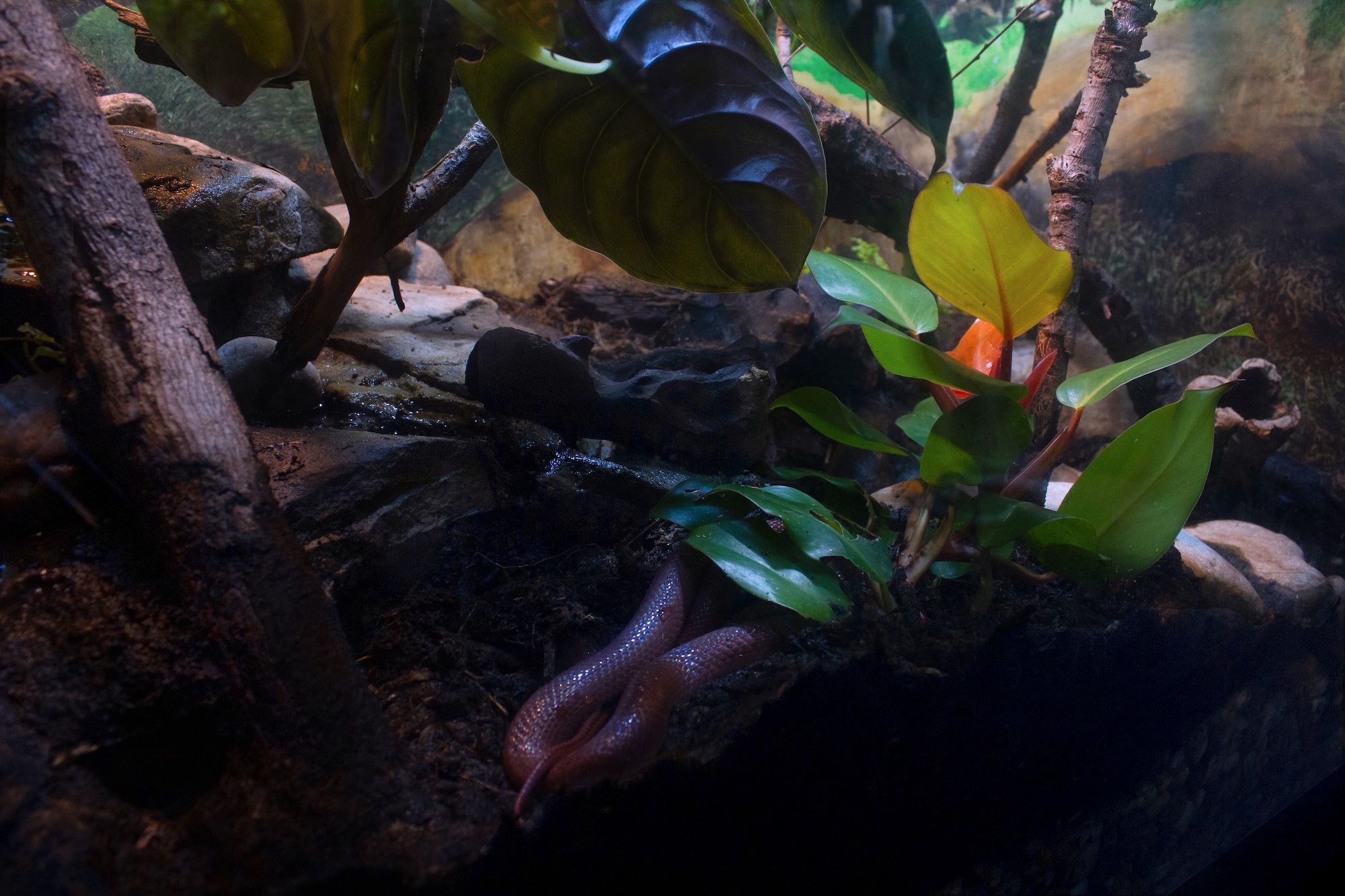
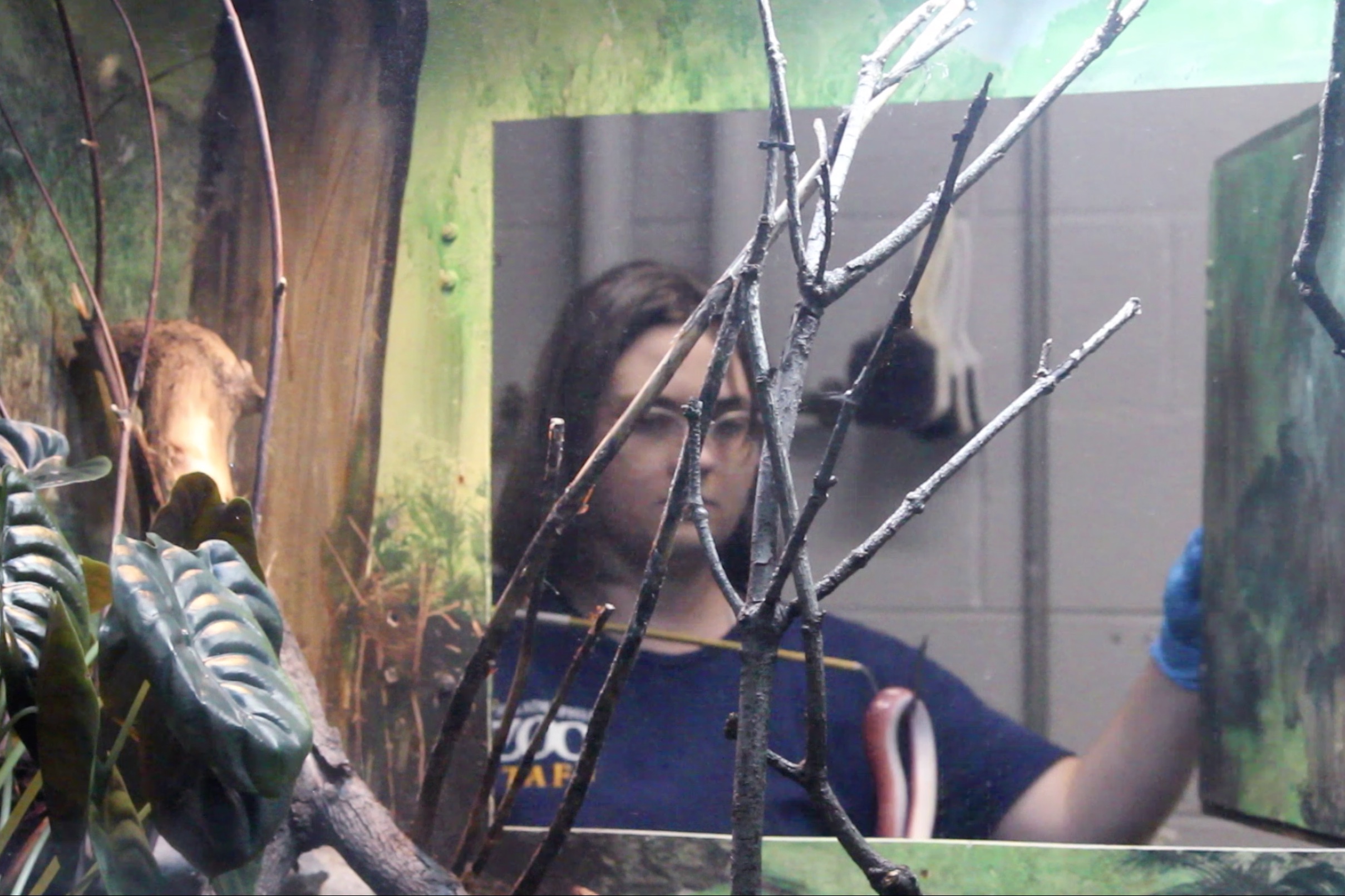
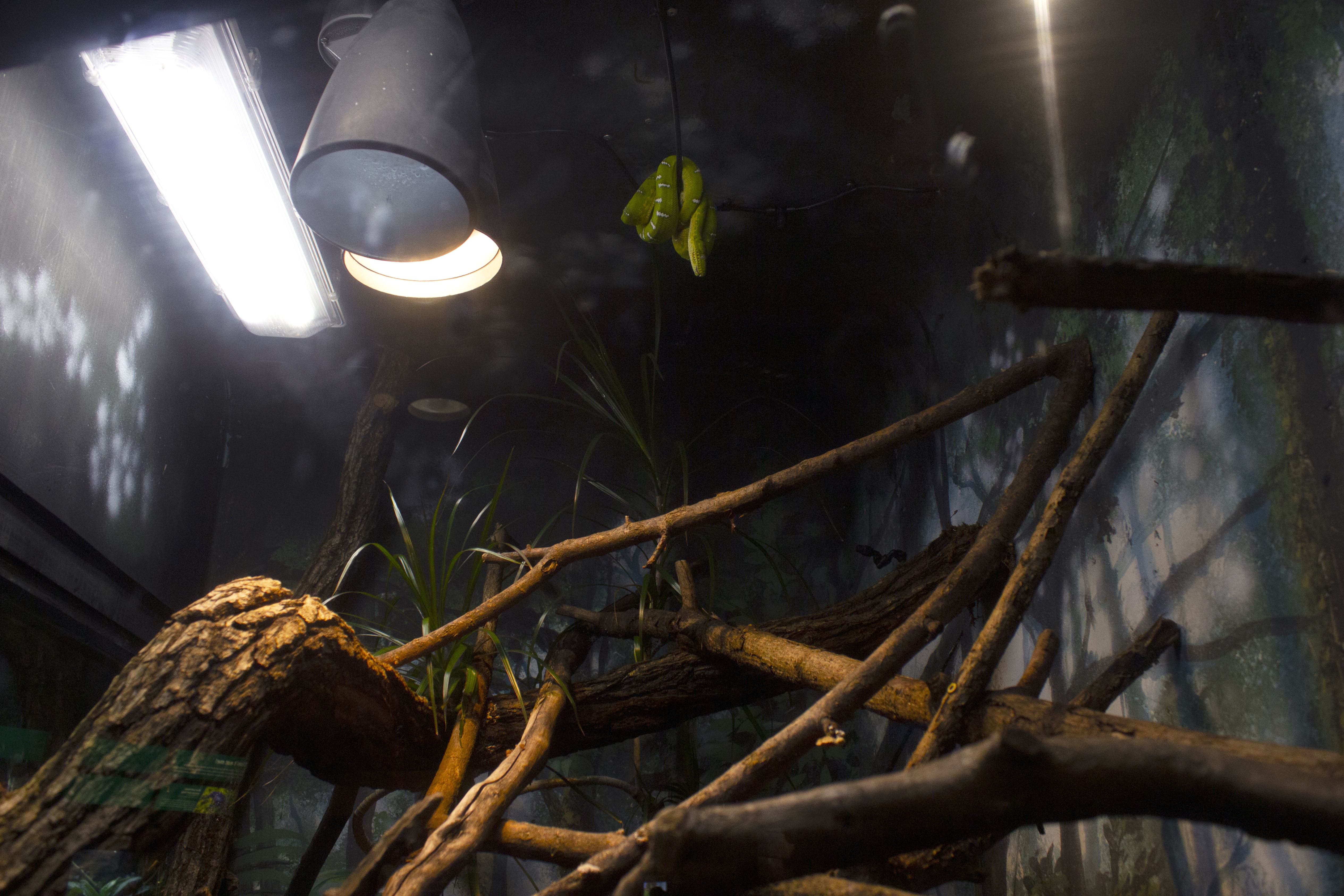
Snakes were displayed in the house as one of its earliest uses. Public exhibit gradually overtook science as the main purpose of zoos, leading naturalistic enclosures to replace cages throughout the 1900s. Visitors preferred displays that mimicked animals’ habitats, both for their scenic appearance as well as public concerns about mistreatment, amidst which England and most American states had passed the first anti-cruelty laws for captive wild animals around the turn of the 20th century.
The Solitude Mansion later became administrative offices for the zoo, then was restored to its historical state with period-style furnishings in the 1990s. For the last several decades, it has been closed to the public except for special events.

